
Detached Mind, Chapter Two: Rational and Calculated Behavior
Between sessions, Reily tries to do what Morgan suggested at the end of Chapter One… to observe emotional reactions instead of simply living inside them. It doesn’t go well. Everyday irritations that used to pass in seconds now announce themselves. A cancelled plan lands as hurt before Reily has even finished reading the text. By the time Tuesday comes around again, the exercise has left Reily more rattled than clear-headed.
Morgan reads all of this before a single word is exchanged – the early arrival, the crispness of the shirt against the tiredness in the eyes and lays it out with the same unnerving precision that opened the very first session. It’s a small moment, but it sets the tone for everything that follows. This is a chapter about what happens when you strip a decision down to nothing but information.
Morgan sets up a chess board partway through the conversation and suggests they play while they talk. No emotional stakes, Morgan says – just calculation and pattern recognition. It sounds almost like a throwaway gesture. It isn’t. What happens over that board becomes one of the more quietly devastating passages in the book, less because of who wins than because of what the game reveals about the gap between reacting to a threat and actually seeing one coming.
The chapter’s real argument sits underneath the game: a challenge to the idea that quick, felt reactions are a kind of intelligence, when they might just as easily be a kind of blindness. Morgan draws on real cognitive science to make the case – genuine research most readers will recognize once it’s mentioned, though probably not the way they’ve heard it framed before. It’s the kind of argument that’s uncomfortable less because it’s outlandish and more because parts of it are hard to refute.
Reily pushes back throughout, testing the argument against ordinary, relatable moments – the small manipulations everyone performs without noticing, the stories we tell about ourselves that leave certain details out. Morgan’s answer to all of it circles back to the same idea, restated a little differently each time, until it starts to feel less like a philosophy and more like a description of how Morgan actually seems to move through the world.
Near the end of the session, almost as an aside, Morgan mentions something about how a single day gets structured – not loosely, not by mood, but according to something closer to a schedule than most people would ever admit to keeping. Reily doesn’t think much of it in the moment. It’s only much later, once the shape of the rest of the book comes into view, that this detail turns out to matter more than it seemed to.
The chess game ends the way these sessions tend to… not with a clean resolution, but with Reily leaving unsettled in a new and specific way, turning over exactly how many of their own daily decisions might be running on the same kind of unexamined autopilot Morgan spent the whole session describing.
It’s a question that doesn’t go away once Reily’s back in the car. If a mind that plans instead of feels can out-think you thoroughly at something as small as a chess game, what does it mean for everything larger than a chess game?
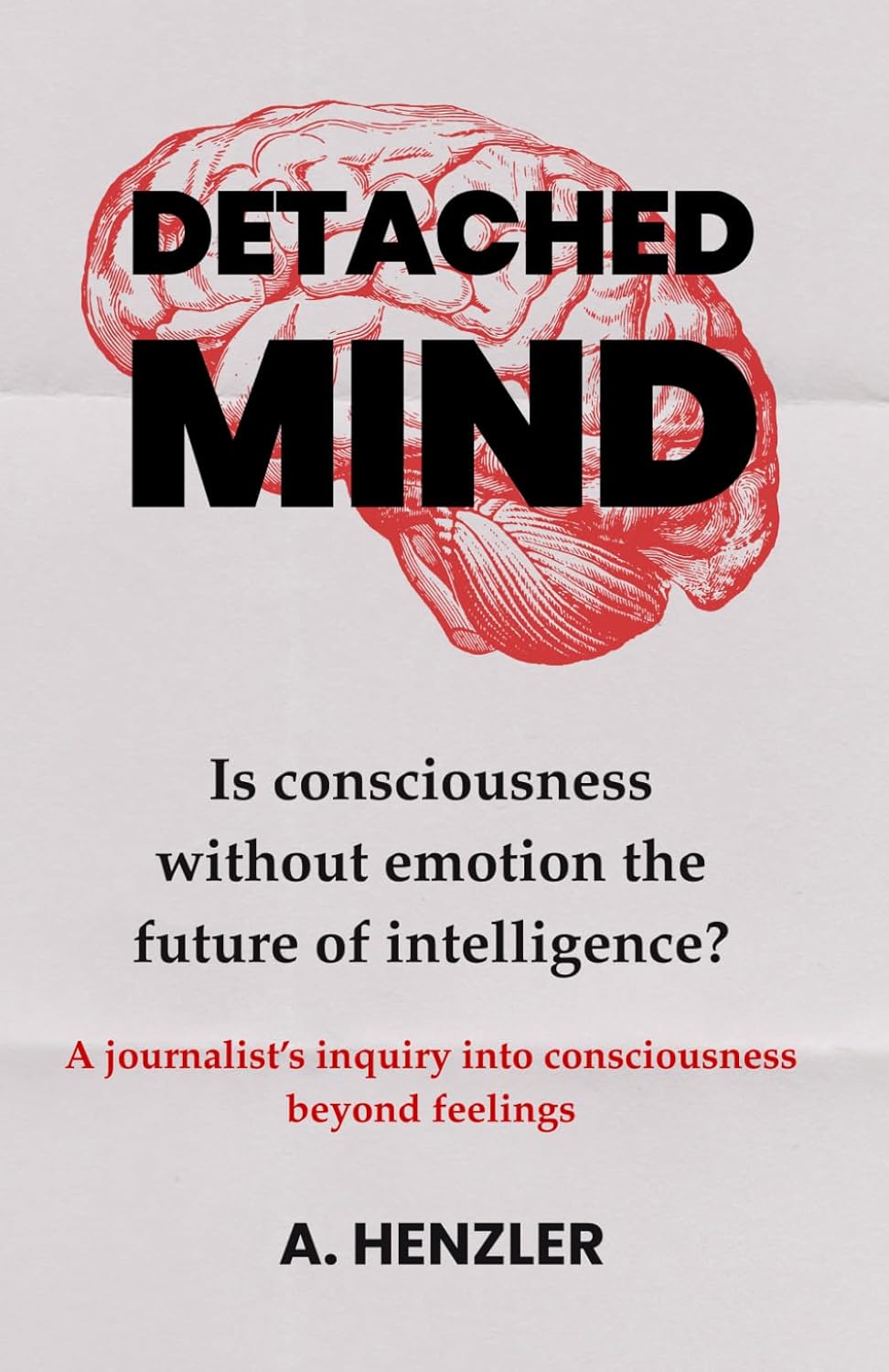
Detached Mind
Is consciousness without emotion the future of intelligence?
Detached Mind is a psychological-philosophical novel that blends neuroscience, Buddhist thought, and investigative journalism into a single, unsettling narrative.


Leave a comment